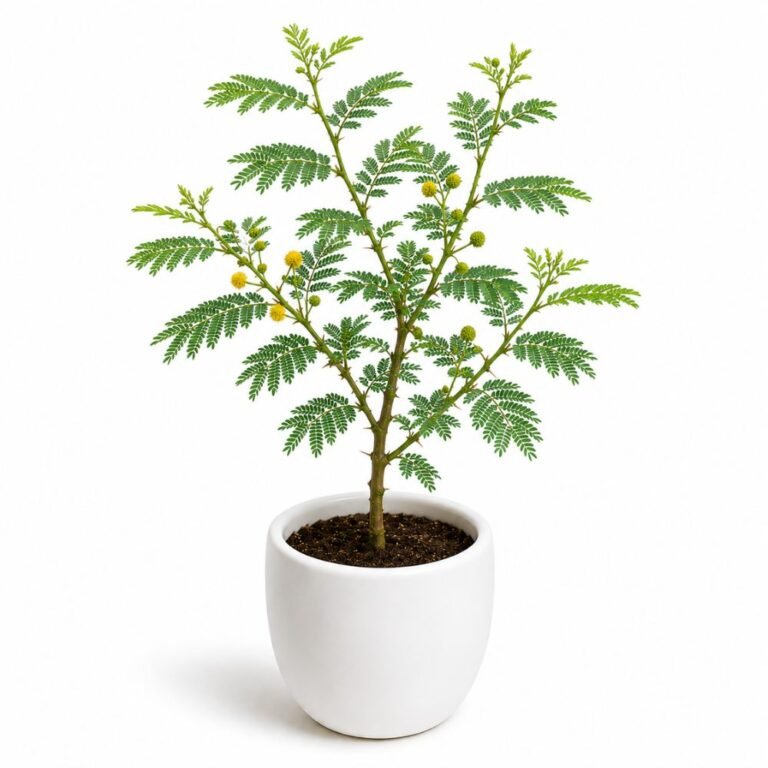
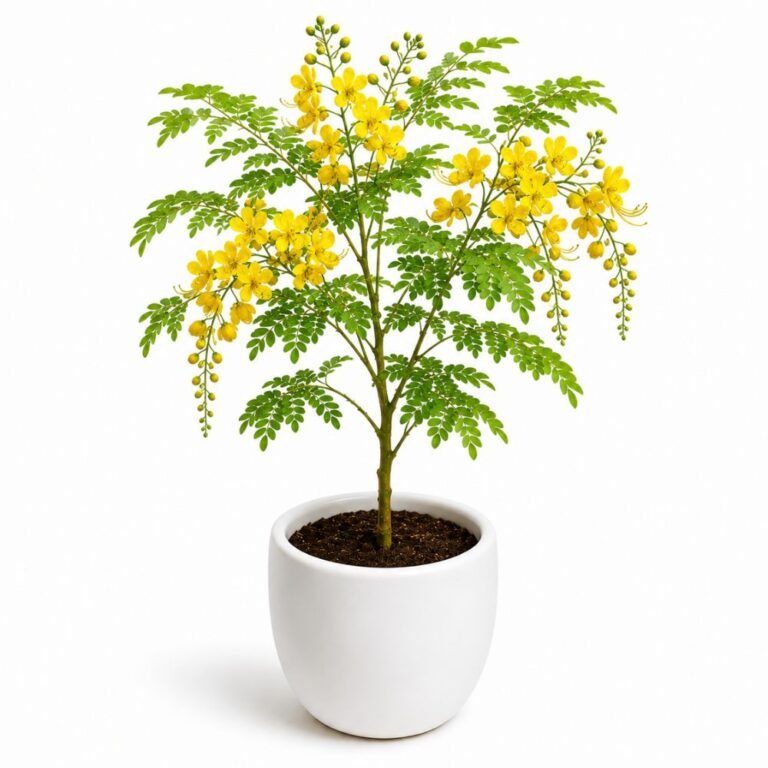
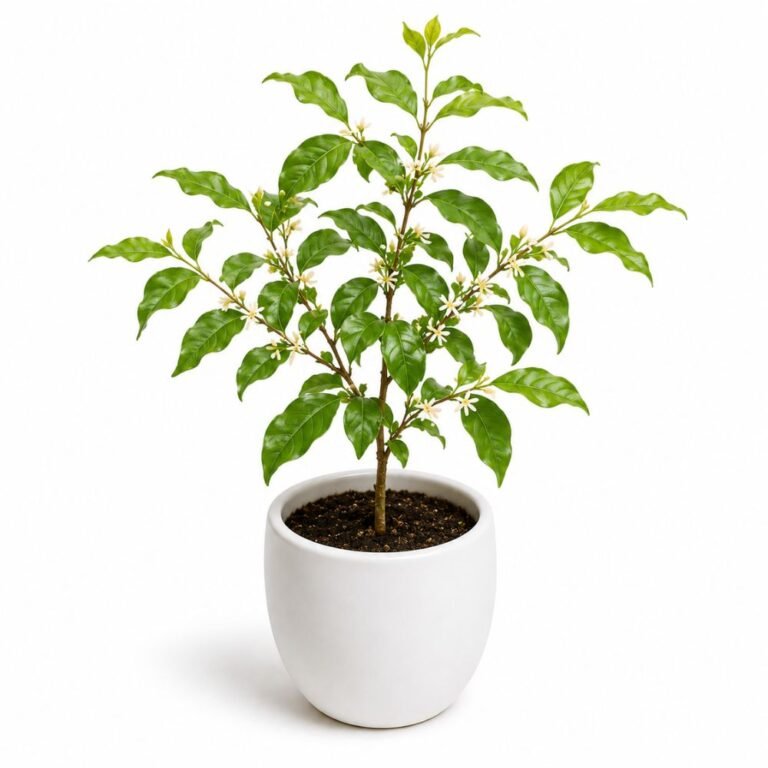
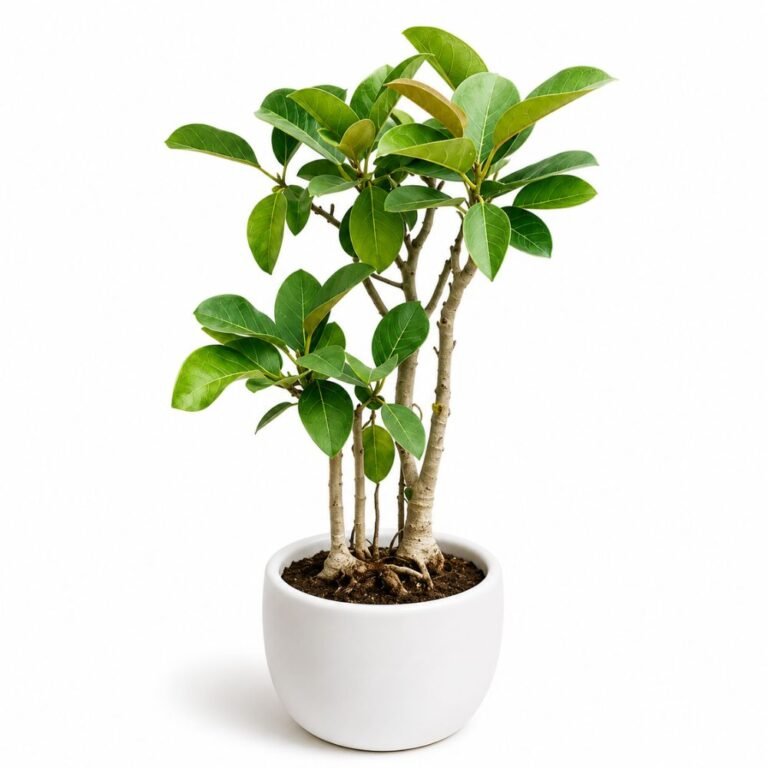
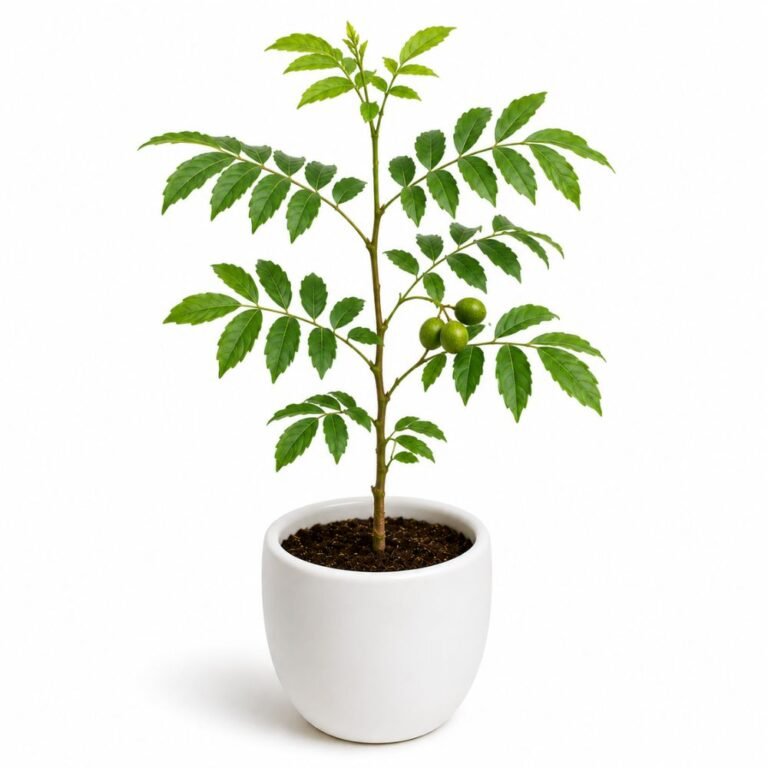
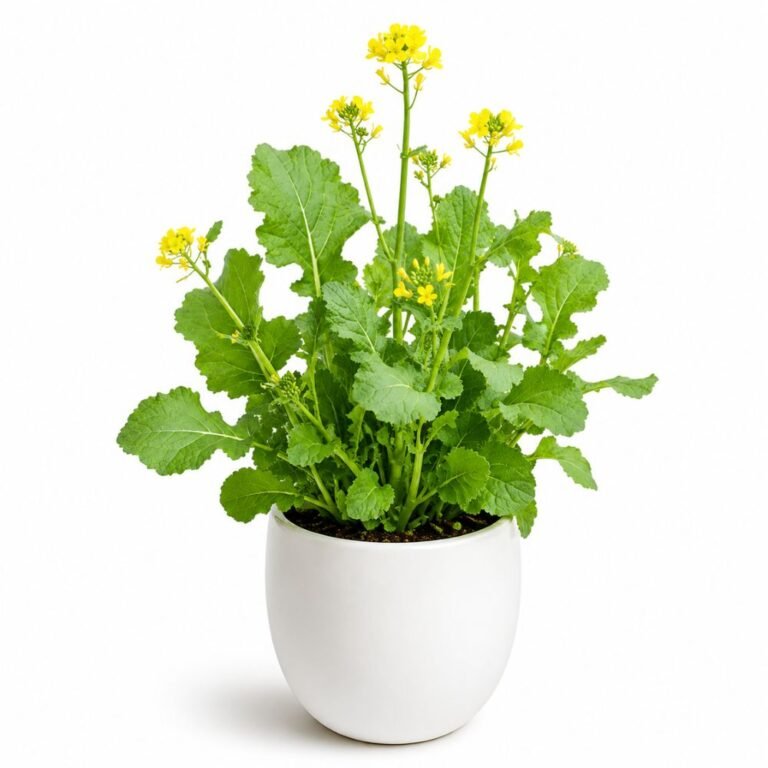
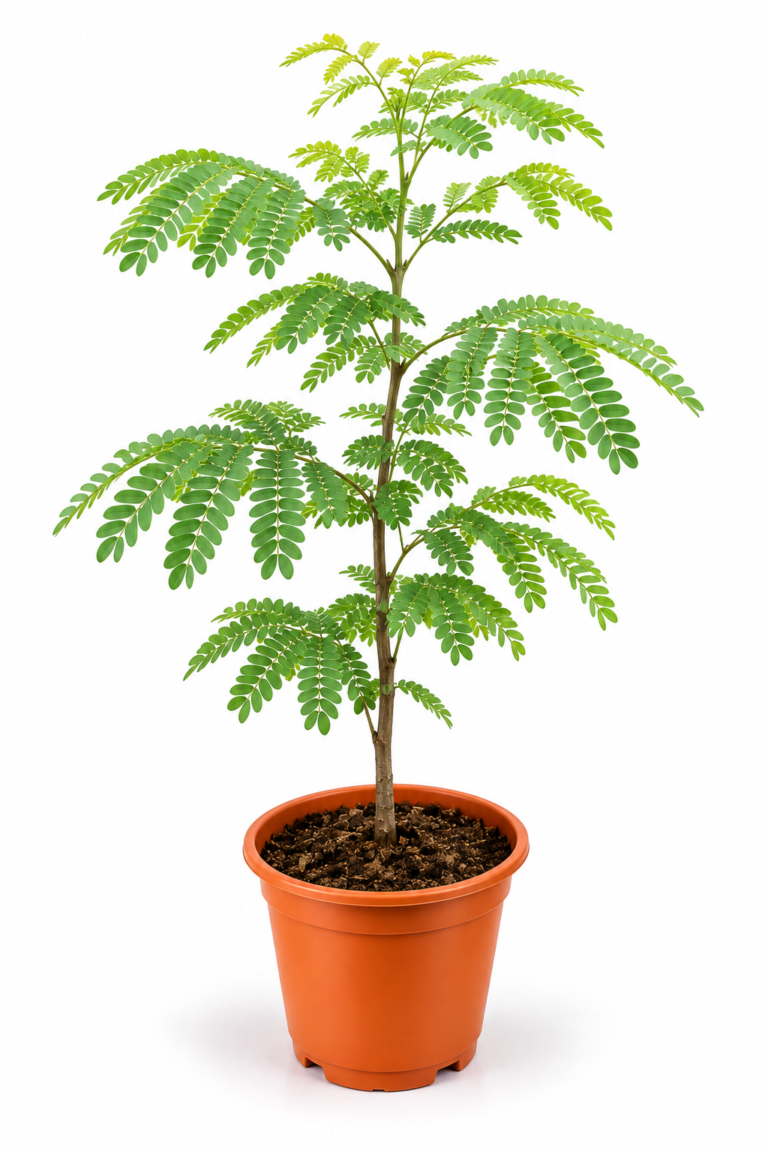
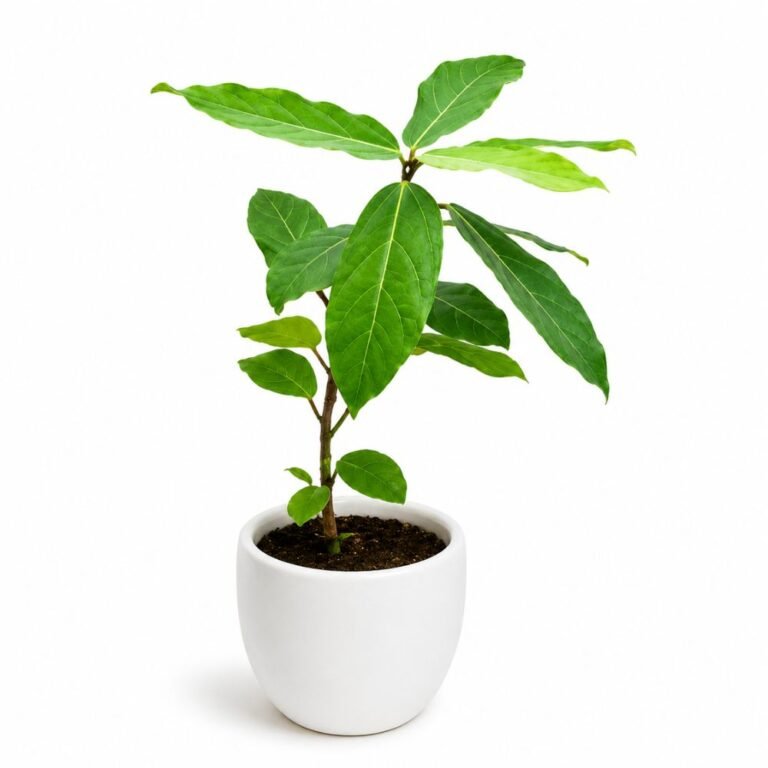
India’s forest plants have been integral to Ayurveda, folk medicine, and daily life since our earliest history. These species offer extraordinary health, ecological, and spiritual benefits that modern science is only now beginning to fully validate.
Deep Healing Roots
Many forest species carry active phytochemicals used in traditional medicine — from Arjun bark to Neem leaves and Ashwagandha root.
Ecological Balance
Forest trees improve soil health, provide wildlife habitat, sequester carbon, and restore biodiversity to urban spaces.
Thousands of Years of Wisdom
These plants are not trends — they are time-tested companions that have supported communities across the Indian subcontinent for millennia.
Adapted to Indian Climate
Native forest species are naturally suited to our climate and soil — hardy, low-maintenance, and built for Mumbai's heat and monsoon.
FOREST SPECIES
Our Forest Plant Collection
Arjun Tree (Terminalia Arjuna)
A powerful cardiotonic tree used in Ayurveda for heart health. Its bark decoction has been used for centuries to strengthen cardiac function.
Amla (Indian Gooseberry)
One of the richest natural sources of Vitamin C. Amla fruits are used fresh, dried, and in countless Ayurvedic formulations for immunity and rejuvenation.
Brahmi (Bacopa Monnieri)
The classical Ayurvedic brain tonic. Brahmi enhances memory, reduces anxiety, and supports cognitive clarity — revered for thousands of years.
Giloy (Guduchi)
Known as the “root of immortality” in Ayurveda. Giloy is a potent immunity booster, anti-inflammatory, and antipyretic.
Moringa (Drumstick Tree)
Called the “miracle tree” for good reason. Moringa leaves are a nutritional powerhouse — protein, iron, calcium, and over 90 nutrients.
Vetiver (Khus)
Deep-rooted, drought-tolerant, and powerfully aromatic. Vetiver roots are used in cooling systems, perfumery, and for preventing soil erosion.
PLANTING GUIDE
Establishing Forest Plants at Home
Choosing the Right Location
Most forest trees need 6+ hours of sunlight. Arjun and Neem suit open spaces; smaller species work well on large balconies.
Watering & Establishment
Young forest trees need regular watering for the first 6–12 months. Once established, most are naturally drought-tolerant.
Soil Requirements
Forest species prefer loamy, well-draining soil enriched with organic compost. Avoid waterlogged conditions.
Bring Ancient Wisdom to Your Garden
Our team can help you select forest species suited to your available space — from a single container to a full forest garden.